
- chronic tension
- anxiety or numbness
- emotional reactivity
- dissociation a sense of being “blocked” or disconnected
- repeated life patterns without clear reason
Why Talking Alone Often Isn’t Enough
Insight is valuable. Awareness matters.
But stored energy lives below language. This is why someone can: understand their past talk about their experiences intellectually “get it” …and still feel stuck in their body.
Release doesn’t happen through explanation. It happens through completion.
The nervous system needs: safety presence enough regulation permission to feel space for sensation to move Only then can stored activation unwind.
How Energy Releases Naturally

When the body finally senses safety, it begins to do what it couldn’t do before.
Release may look like:
- spontaneous trembling or shaking waves of emotion
- deep sighs or yawning warmth or cold moving through the body
- involuntary movements
- changes in posture
- moments of stillness or clarity
- tears without a story
These are not random. They are signs of autonomic completion.
The body is discharging what it has been holding. This is why many energy-based and somatic practices don’t “force” change — they create conditions for the body to reorganize itself.
The Role of the Nervous System
At the center of release is the autonomic nervous system.
When the system shifts from: chronic sympathetic activation (fight/flight) or dorsal shutdown (freeze) into a regulated parasympathetic state, energy can finally move.
In this state: muscles soften breath deepens ; the brain shifts toward theta-like patterns ; emotional processing becomes possible; integration replaces suppression
Safety is the doorway. Not mental safety — felt safety. Energy Is Not Something You “Do” — It’s Something You Allow
Healing Is Not About Forcing Release
One of the most misunderstood aspects of healing is the belief that release must be forced.
In reality, the body already knows how to heal. What it needs is not pressure—but the right conditions.
What the Body Needs to Heal
Time. Presence. Regulation. Containment. Non-judgment. Permission
When the system feels met instead of pushed, energy reorganizes on its own.
This is why people often experience release when they finally slow down—during rest, meditation, body-based practices, or within safe relational spaces.
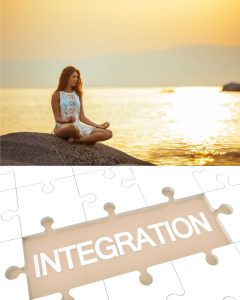
Integration Matters as Much as Release
Release without integration can feel destabilizing. Integration is what allows the system to reorganize coherently and sustainably.
Integration Includes:
Allowing the nervous system to settle afterward
Not rushing back into stimulation
Listening to new sensations or insights
Letting the body adjust to its new state
Respecting the slower pace of embodiment
Healing is not a peak experience.
It is a process of re-patterning.
The Body Is Not Broken — It’s Intelligent
Stored energy does not mean something is wrong with you.
It means your system did exactly what it needed to do to survive, adapt, and protect.
Release is not about fixing—it’s about allowing completion.
When energy finally moves, many people describe a sense of: Relief. Grounding. Clarity. Openness. Connection.
A feeling of coming home to themselves.
Not because something new was added—but because something old was finally allowed to leave.
How Energy Activation Sessions Support the Release Process

While the body already knows how to release stored energy, many people struggle to access the conditions that allow this to happen on their own. This is where guided, nervous-system-informed energy work can be deeply supportive.
In my sessions, the focus is not on making something happen, but on creating an environment where the body feels safe enough to do what it naturally knows how to do.
Sessions May Include:
Nervous system regulation
Somatic awareness
Sound and frequency
Gentle energetic facilitation
Deep rest
As the system shifts into parasympathetic dominance, stored energy can surface and release organically.
This may show up as:
Subtle physical sensations
Emotional waves
Spontaneous movements
Deep stillness
A sense of internal spaciousness
Nothing is forced.
Nothing is pushed.
Each session meets the body exactly where it is—respecting its timing, intelligence, and unique history.
Long-Term Effects Participants Often Report
Over time, many people notice:
Feeling more grounded and present
Reduced chronic tension or emotional charge
Increased clarity and nervous system resilience
A deeper sense of embodiment and connection
Renewed trust in their body’s innate wisdom
When approached with care, integrity, and nervous-system awareness, energy activation becomes less about activation and more about integration—allowing the body to reorganize itself from the inside out.
Closing Reflection
If you’ve ever felt that your body holds more than your mind can explain, you’re right.
The body remembers what it couldn’t resolve.
And when the conditions are right, it releases—naturally, intelligently, and in its own time.
Healing doesn’t happen by force.
It happens when the body feels safe enough to let go.
And your body already knows how.